


Aroks symbol. Radial patterns, Fibonacci, L-systems, and mandalas
We originally built this tool for our internal needs — to redesign the Aroks logo. But it turned out to be so versatile and easy to use that we decided to share it with everyone. In just a few clicks, you can generate your own unique graphic pattern using circles, squares, triangles, or rings. Perfect as a background, logo, decorative element, or simply for creative inspiration. You can download your result in PNG or SVG formats, in custom sizes.
How a pattern is born
Flowers in Circles: Calm, Order, and a Gentle Flow
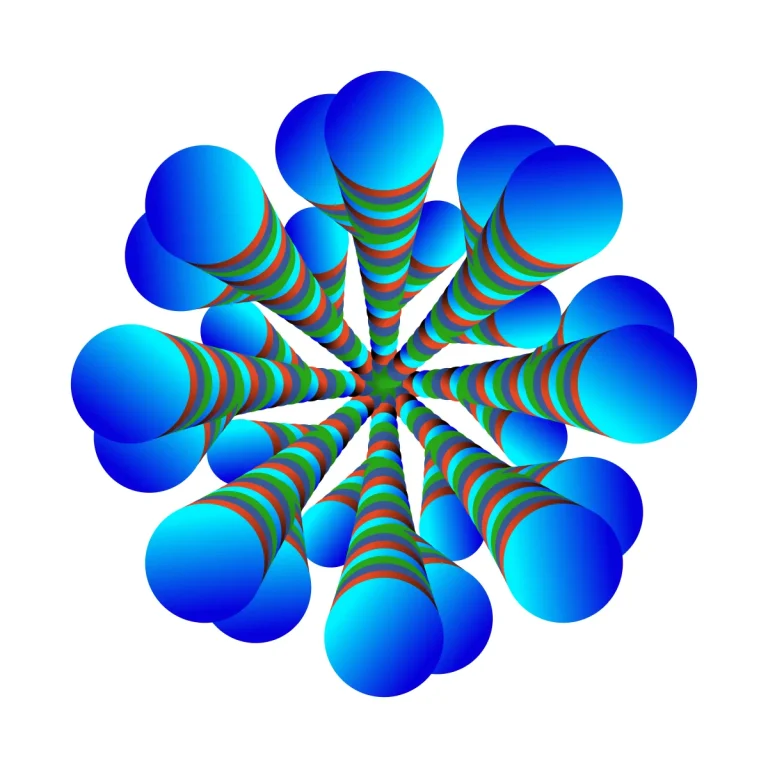
How it works: Start with a circle and repeat a single shape — it forms petals. Add more circles — and you get a rosette. Slightly rotate each new layer — and the pattern “breathes,” like a flower touched by a breeze.
Where it appears: Stained glass, ceramic ornaments, facade rosettes, sea stars, and asters.
What it conveys: Circles imply wholeness and safety. Repetition brings order and predictability. A slight swirl suggests energy without chaos.
- Symmetry N: 8–12 for a star, 5 for a flower.
- Rings / rStep: More rings = richer rosette; small step = dense texture.
- Swirl: 0 = strict rings; slight negative = dynamic outward spin.
- sMin / sMax / γ: For “growth effect” increase sMax and set γ≈1.5–1.8.
- Jitter: 1–2 px gives enough “life”.
Sunflower Spiral: Equal Space, No Lines
How it works: Each new point is rotated a fixed angle from the previous one and gradually moves outward. If the angle is near the “sunflower angle” (~137°), the points naturally spread evenly.
Where it appears: Sunflowers, pinecones, pineapples — look closely, and you’ll see spirals in both directions.
What it conveys: These patterns express balance, growth, and gentle progression.
- Points: 800–1200 for a rich, granular center.
- Angle: 137–138° for balance; shift to create visual “tracks”.
- Scale (c): Controls outward movement.
- Sizes: Small sMin, medium sMax, γ≈1.2 creates natural growth.
Recipe-Based Patterns: Growing Branches and Snowflakes
How it works: Imagine a short instruction: “step forward, turn, occasionally branch”. Repeat a few times and it builds branches, snowflakes, or snake-like lines.
Where it appears: Tree branches, leaf veins, lacework, fractal ornaments.
What it conveys: Patterns of structure and self-similarity — the small resembles the whole.
- Simple mode: Choose a preset (plant/snowflake/”dragon”) and adjust step count, angle, length.
- Rendering: Line = clean; Dots = more decorative.
Mandalas: One Wedge, Many Reflections
How it works: Draw a petal in a wedge, then replicate and reflect it around the circle. You can use rose-like waves or recipe-grown L-shapes as petals.
Where it appears: Stained glass, carpets, architectural rosettes.
What it conveys: High symmetry signals focus and ceremony. Mirroring adds clarity and confidence.
- K (repeats around): 8–12 = classic rosette; 6 = calmer star.
- Mirror: Turn on if the pattern feels scattered.
- Rose: Adjust “m” and radius for fluid petals.
- L-petal: Increase steps for intricate vein-like growth.
Colors and Gradients: Keep It Clear
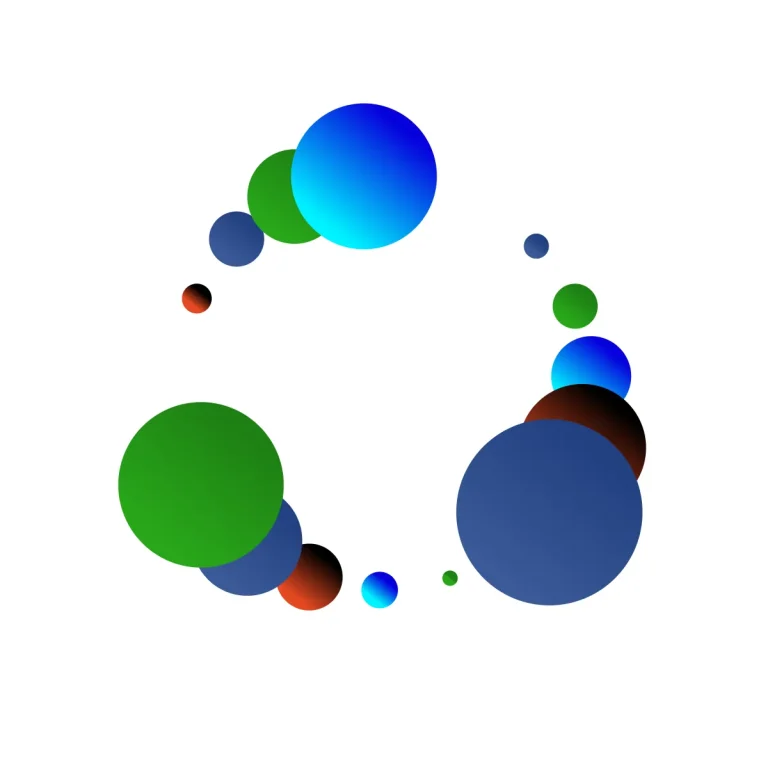
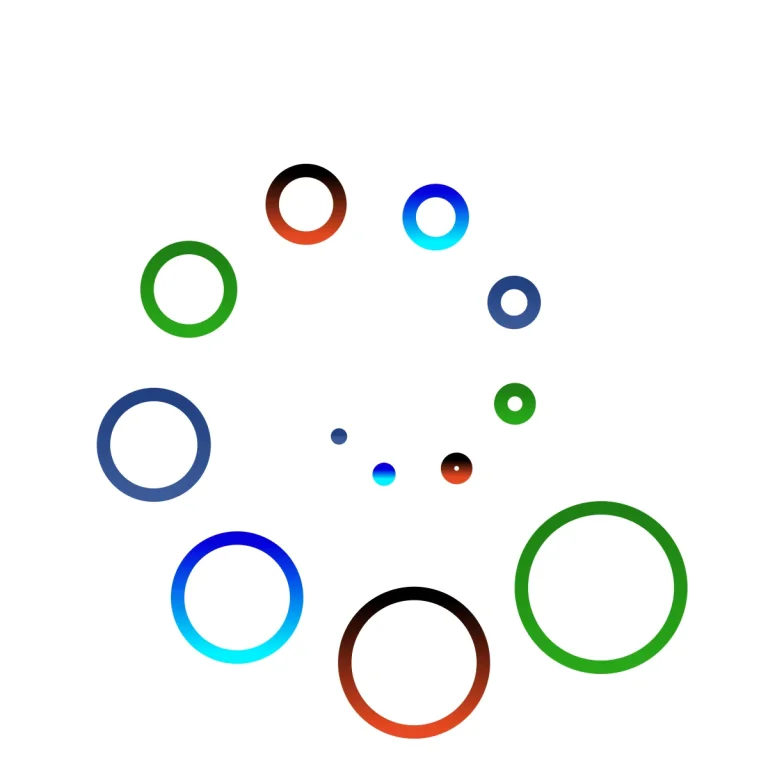
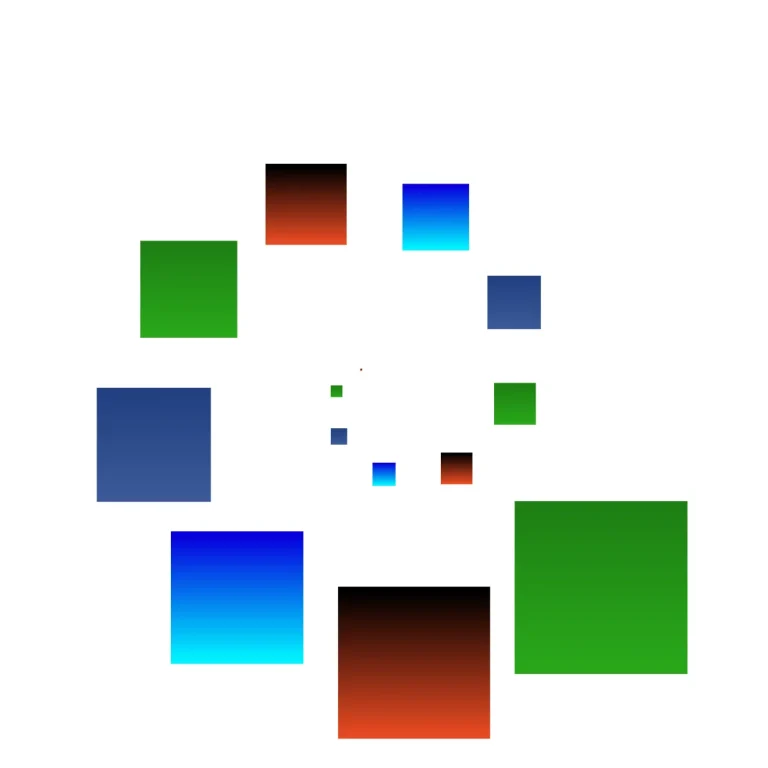
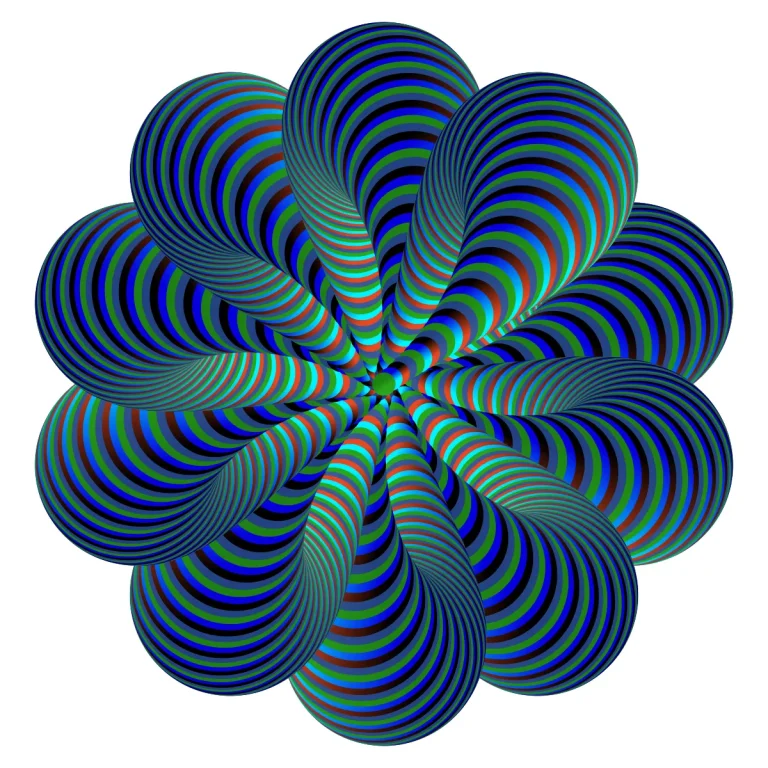
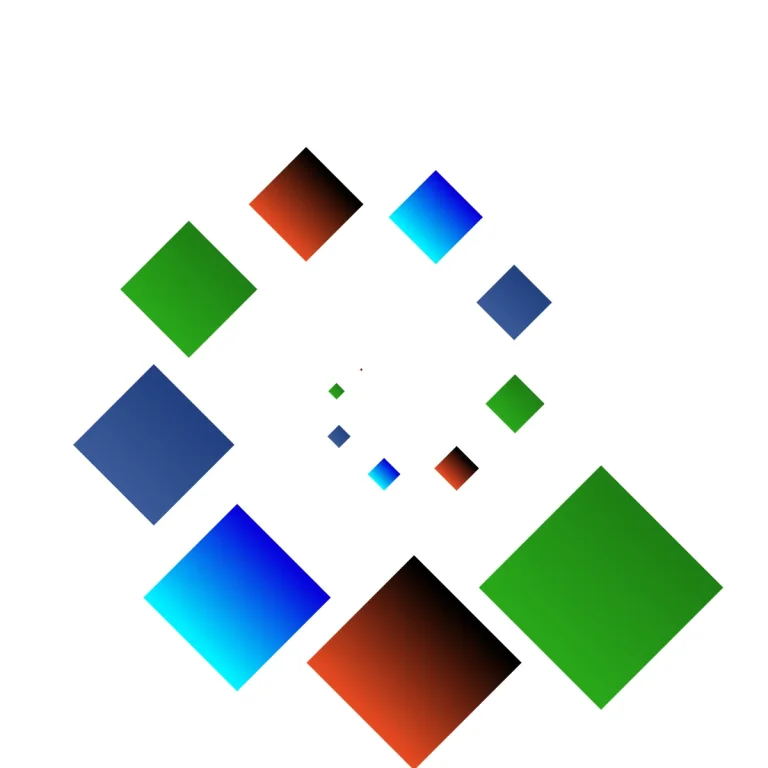
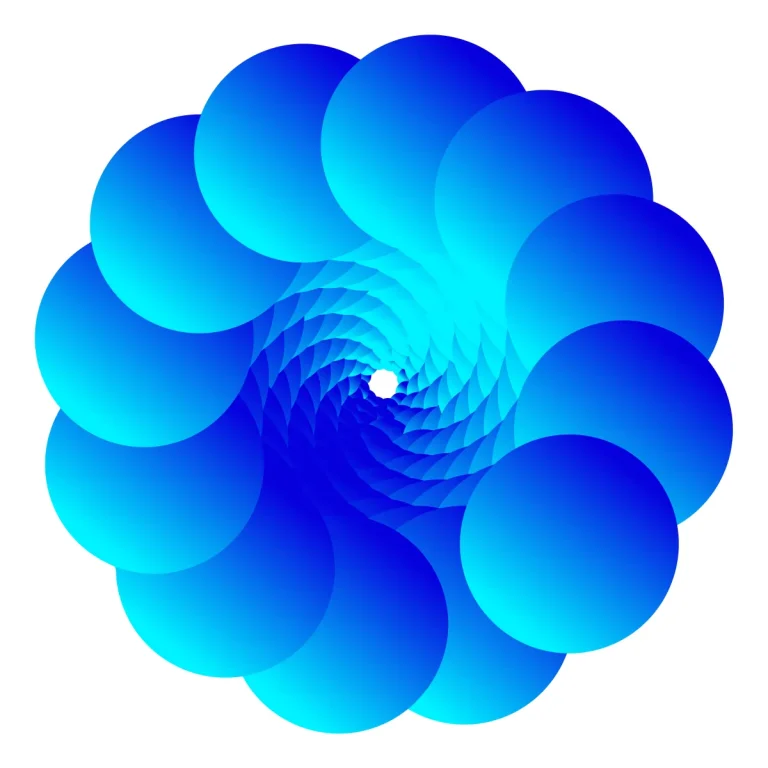
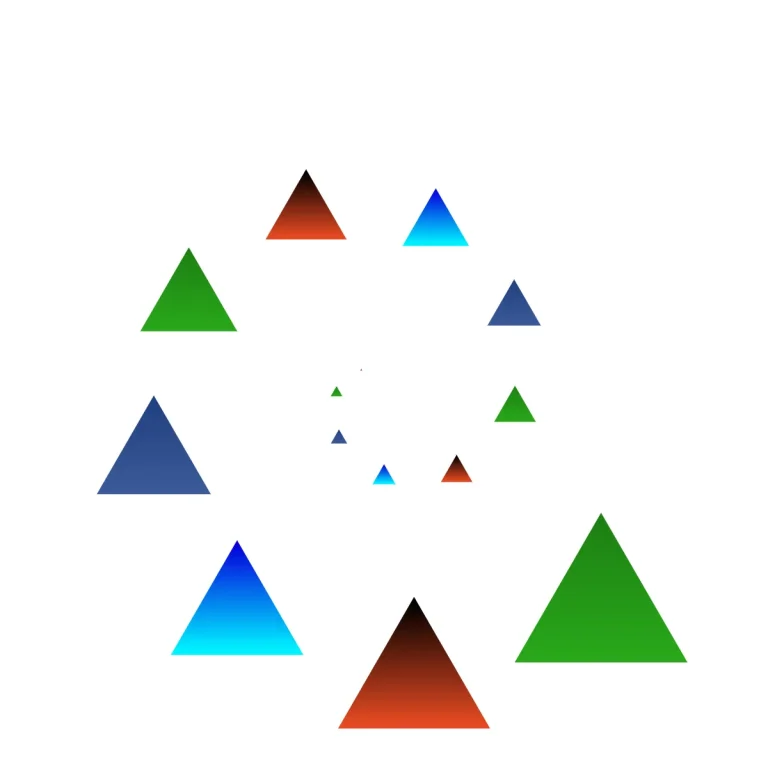
We offer four built-in gradients: green (natural), blue (trust), black-orange (bold), and blue-cyan (tech). Apply one to all or alternate by reordering with drag-and-drop.
- Large shapes suit gradients; small dots work best with solid color.
- Bright background = monochrome elements. Calm background = use gradients.
- Transparent PNG allows layering over images or backgrounds without edges.
Quick Form Psychology
- Circle — wholeness and safe space.
- Spiral — growth and outward journey.
- Radial symmetry — balance and order.
- Mirror — focus and dignity.
- Small asymmetry (1–2 px jitter) — warmth; too much — chaos.
- Left-to-right or upward flow often reads as “growth” (in left-to-right reading cultures).
Preset Ideas
“Flower from Depth” (poster): N=8, Rings=14, rStep~22, r0~28, swirl ~-0.7; sMin~10, sMax~180, γ~1.7; shape = ring (thickness 12–14); blue-cyan gradient; PNG with transparency.
“Sunflower Plate” (header): 900–1200 points, angle ~137.5°, c~7, n₀~30; sMin~6, sMax~20, γ~1.2, jitter 1px; shape = circle, light background.
“Snowy Line” (winter cover): Koch flake: 3–4 steps, 90° angle, step 10; white line on dark blue. Softer option — dots instead of line.
“Formal Rosette” (poster): Mandala Rose+Mirror: K=12, m=6, radius~260, density~220; shape = square or ring; alternate gradients by drag-ordering.
Smart Tips to Save Time
- Adjust one setting at a time — it’s easier to spot the effect.
- If things get messy, add symmetry or enable mirroring.
- Save both formats: SVG for editing, PNG (optionally transparent) for display use.
- Randomizer makes solid drafts — tweak 2–3 right away for a series.
Aroks symbol
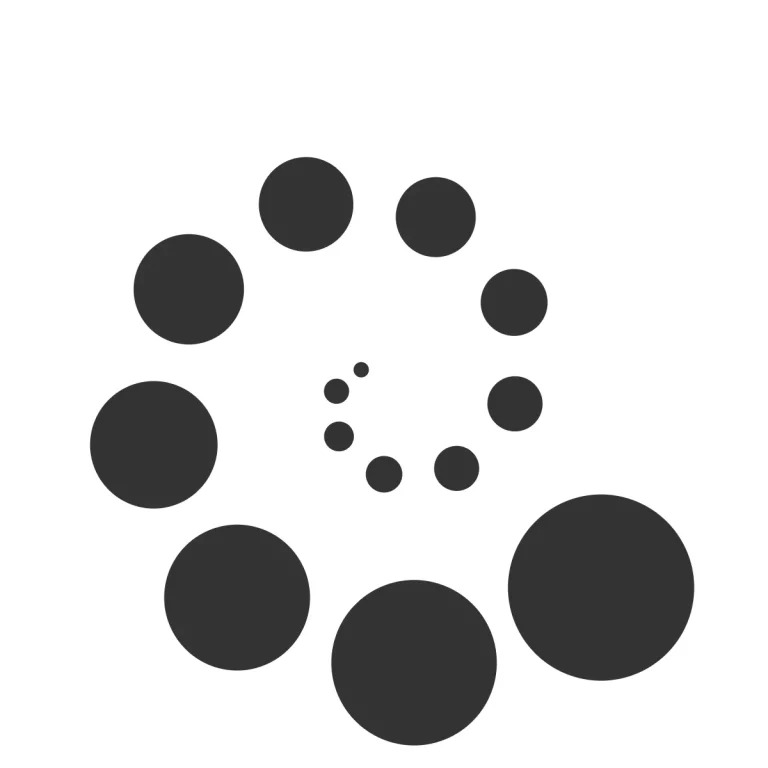
Logo idea. The Aroks spiral is the journey of an idea from the center to scale. The circle stands for reliability; the spiral for development; the varying diameters mark the stages of growth. We connect technology and marketing into one system so that businesses grow steadily across European markets.
- Mode: Radial Rings.
- Symmetry N: 1; Rings: 14; rStep: 22; r0: 28.
- Swirl: −0.71; Angle: 212 (suggests “growth” up and right).
- Sizes: s0=2, sMin=10, sMax=180, γ=1.7; shape = circle; no jitter.
Colors: Base — dark gray (#333) on white. Accents — blue-cyan gradient, or black-orange for bold campaigns. Contrast rule: dark background = light dots; bright background = solid tones.